A Designer's Review of Waterhouse Cross Stitch Patterns
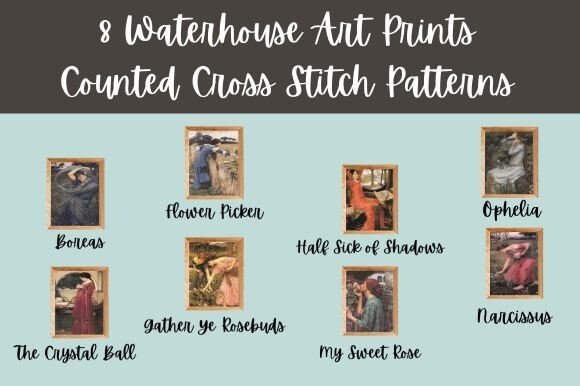
As a designer and reviewer, I often approach embroidery patterns not just as files, but as potential projects. The 8 Waterhouse Cross Stitch Patterns set presents a unique opportunity. Based on the product description, this is a collection of printable PDFs translating famous art prints into counted cross stitch. My first task is always to imagine these designs not on a screen, but on fabric.
The Romantic Mood and Its Embroidery Potential
Waterhouse’s work is known for its romantic, mythological, and often melancholic beauty. The mood these patterns will create is immediately apparent: timeless, artistic, and deeply evocative. This isn't casual or whimsical; it's substantial. The visual personality is one of classical detail and soft, flowing lines. For an embroidery project, this translates into a design that feels like a piece of art rather than mere decoration.
This mood naturally belongs to projects where the embroidery is the focal point. Think of a pillow cover for a cozy reading nook, a framed piece for nursery decor, or a tea towel that elevates a kitchen from utilitarian to charming. I recently considered a custom embroidered tote bag for a client who loves classic art; a Waterhouse pattern would be perfect, turning a simple bag into a statement accessory.
Where These Patterns Shine in Real Projects
Let’s walk through some real-life embroidery situations. For custom apparel, like a linen sweatshirt or a cotton t-shirt, a smaller, focused detail from one of these patterns (perhaps a single figure's face or a floral element) could create a stunning, boutique-level garment. The level of detail implied by "art prints" suggests these are not quick, sparse designs. They will require commitment, but the finished product value will be high.
For small business merchandise or Etsy listings, a completed cross stitch piece from this set becomes a high-value handmade product. It appeals to a niche audience that appreciates art history and craftsmanship. As a personalized gift, such as a wedding gift or a holiday present for a collector, it carries significant emotional weight. The brand consistency for a shop specializing in artistic or literary themes would be impeccable.
In terms of craft business applications, these patterns are ideal for finished pieces sold at craft fairs or online. They could also be used as exquisite patches applied to aprons or caps, though careful scaling would be needed. The handmade presentation is inherently professional and trustworthy, engaging buyers who look for depth and story in their purchases.
Considerations for Successful Stitching and Use
This is where practical judgment comes in. The enchanting world of Waterhouse, when rendered in stitches, demands careful planning. Because these are described as patterns based on detailed art prints, the stitch density is likely to be high. This affects several real-world factors.
- Small hoop sizes might be challenging unless you select a very small portion of the overall pattern.
- Textured fabrics or stretchy fabric could distort the fine details, so a smooth, stable base like cotton or linen is preferable.
- On dark fabric, you must carefully review the implied thread color contrast. A pattern with many light, soft hues might need adaptation or a very bright thread palette to remain clear.
- For items like baby clothes or products needing frequent washing, the integrity of such a detailed piece must be considered—secure stitching and quality threads are paramount.
Areas with detailed corners or potentially tiny lettering (if any text is included from the original prints) will require meticulous stitching to maintain clarity. Layered garments or curved surfaces like caps present a logistical challenge for large, square-format patterns, making smaller motifs or adapted elements a better fit.
Impact on Appeal, Value, and Professionalism
Using the 8 Waterhouse Cross Stitch Patterns correctly elevates everything. The visual appeal is undeniable and caters to a sophisticated taste. Stitching clarity is the key to unlocking that appeal; a poorly executed stitch can muddy a beautiful design. When done well, the product value increases significantly. It becomes a luxury handmade product.
For creative entrepreneurs, this builds customer trust and buyer engagement. It shows you offer something beyond the ordinary. The giftability and recognition factor are strong—people know Waterhouse, even if not by name, and recognize the aesthetic. This lends instant professionalism to your work.
Practical Notes Before You Stitch
Before you commit thread to fabric, especially for client projects or commercial embroidery, run through this checklist.
- Test the design on scrap fabric first. Even if it’s a small section, this reveals how the fabric texture interacts with the pattern's detail level.
- Check the actual thread color contrast against your final fabric. Don’t rely on the PDF preview alone.
- Review the pattern's density in the provided files. Can you manage it within your intended hoop size?
- Inspect any small details closely. Are they feasible for your skill level or equipment?
- Since these are printable PDFs, test it in black and white mockups to check form, and compare light and dark fabric backgrounds digitally if possible.
- Always use proper stabilizer for the fabric you choose to preserve those art-print details.
- Most crucially: confirm licensing before selling finished items. The product description doesn't specify license terms, so you must verify if these Graphics are for personal use, commercial use, or both. This is essential for digital product sellers and small shop owners.
Finally, ask yourself: does this design asset work for your intended scope, from a personalized gift to a small shop product? The 8 Waterhouse Cross Stitch Patterns set holds immense potential for beautiful, meaningful embroidery projects. With practical preparation, it can translate from a stunning digital pattern into an even more stunning finished product.