A Designer’s Review of Spring Floral 3D Embroidery Patterns
The First Impression: A Breath of Fresh Air
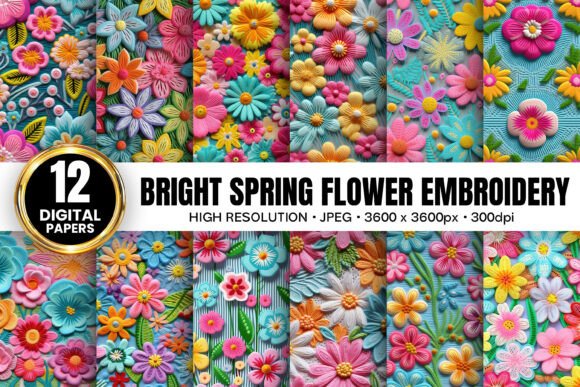
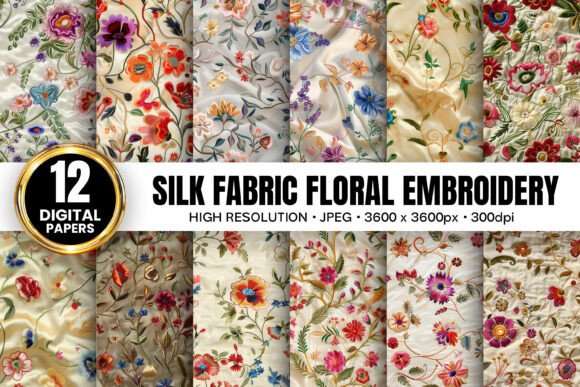
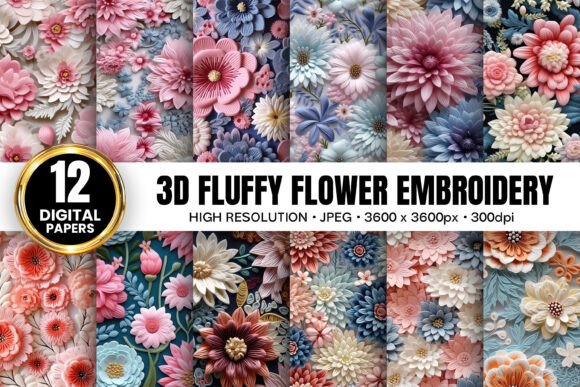
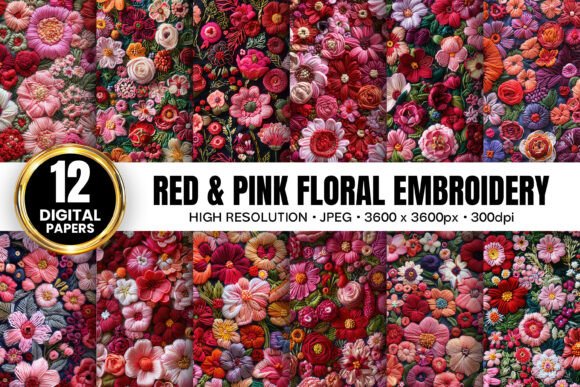
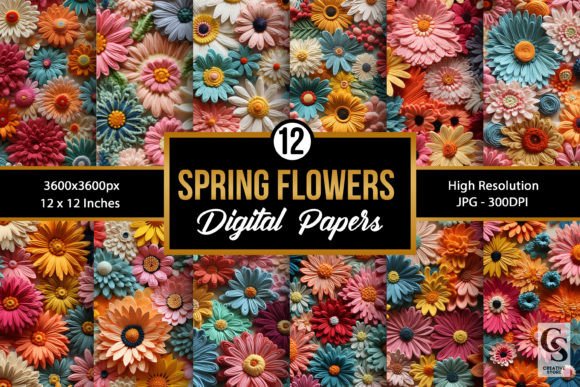
When you unzip a file of Spring Floral 3D Embroidery Patterns, the immediate mood is hopeful and vibrant. This isn’t just a generic floral set; the designs carry a sense of layered depth that suggests beautiful texture once stitched. The themes are classic spring—daisies, blossoms, leafy vines—but the layout feels fresh and seamless. The detail level is generous without being overwhelmingly dense, which tells me this was created for real embroidery projects, not just digital art. The visual personality is friendly and sophisticated, perfect for projects that need to feel both handmade and professionally designed.
Where These Patterns Naturally Belong
In my studio, I immediately think of applications. These patterns are calling out for custom apparel like lightweight sweatshirts and special occasion t-shirts. A tote bag design featuring one of these florals would sell instantly at a craft fair. They’d be stunning on baby items—a delicate blanket or a birthday bib—bringing a soft, personalized touch. For a small shop, they translate beautifully into patches, aprons, and pillow covers. I’m picturing a kitchen towel with a corner motif for a thoughtful wedding gift, or a series of embroidered caps for boutique branding. The high-resolution nature means they’re also excellent for creating printable mockups and digital product previews for your online listings.
A Real-Life Scenario: The Custom Tote Bag
Let’s walk through a typical project. A client wants a custom embroidered tote as a spring gift. I pull up these patterns and select a flowing vine design. The seamless nature means I can easily scale and position it along the bag’s side panel. The 3D effect in the digital file suggests using satin stitches for petals and fill stitches for leaves to create that dimensional look on the actual fabric. I’m confident the final product will have a rich, textured appearance that feels expensive and thoughtfully made. This is exactly how a design file should perform—it inspires the execution.
Performance in Real Embroidery Situations
For machine embroidery, the key will be translating that digital depth into physical texture. On stable fabrics like cotton canvas for tote bags or mid-weight twill for patches, these patterns will shine. For apparel on stretchy fabrics like tee knits, careful stabilizer choice is paramount to maintain the design’s clarity. On baby clothes or delicate blankets, opting for a lighter thread weight might preserve the softness while keeping the detail. The scale is a real advantage; at 12″ x 12″, you have ample room to resize for a small hoop on a cap or a larger area on a pillow cover without losing integrity.
Where to Use a Careful Hand
Some applications require extra thought. On very small hoop sizes, the finest details might need slight simplification to avoid stitch crowding. Highly textured fabrics like linens could interfere with the clean lines of the floral shapes. For dark fabric backgrounds, you’ll need to test thread color contrast thoroughly—some of the lighter floral elements might need a bold pop to stay visible. Embroidering on curved surfaces like caps demands careful placement to ensure the seamless pattern flows with the shape, not against it. And for products destined for frequent washing, like kitchen towels, consider a robust stabilizer and durable threads to ensure longevity.
Impact on Your Product and Business
Using a cohesive, professional set like Spring Floral 3D Embroidery Patterns elevates your work. The stitching clarity it promotes builds customer trust; they see a clean, intentional finished product. For handmade presentation, it moves away from generic and toward curated. For a craft business or Etsy seller, this consistency across a line of spring merchandise—totes, shirts, aprons—strengthens your brand. The patterns are inherently giftable, carrying a recognition of season and care. This professionalism directly affects buyer engagement; a beautifully embroidered item using a strong design asset feels worth the price.
Practical Notes for the Embroidery Designer
Before you run this embroidery file on a final project, do your due diligence. Always test on scrap fabric first. This allows you to check stitch density, see how the ‘3D’ effect translates with your chosen thread colors, and confirm your hoop size accommodates the details. Inspect the small elements in the pattern; make sure your machine can handle the intricacies. I also recommend testing the design in black and white mockups to understand its form separate from color. Compare how it looks on both light and dark fabric backgrounds digitally before committing thread.
Use a proper stabilizer suited to your final fabric; this is non-negotiable for preserving the design’s integrity. Crucially, verify the licensing terms provided with these graphics. Confirm whether they allow for both personal and commercial projects, and if selling finished items or digital products derived from them is permitted. This step protects your craft business and ensures you’re using the design assets correctly.
The Final Stitch
In essence, Spring Floral 3D Embroidery Patterns offers a versatile, high-quality starting point for a multitude of projects. Its strength lies in its mood and adaptability. From a personalized gift to a line of small shop merchandise, it provides a professional foundation. Your skill as an embroiderer brings it to life, but a good design file sets the stage for success. Approach it with practical testing and a clear vision for your finished product, and you’ll likely find it becomes a go-to asset in your spring collection.