A Professional Review of Halloween Ghost for Business Branding
As an embroidery designer working with small businesses, I’m constantly evaluating new designs not just for their decorative appeal, but for their commercial viability. When a design like Halloween Ghost crosses my desk, the first question isn’t “Is it cute?” but “Can it build a brand?” Let’s dissect this ghost embroidery design from a professional, business-first perspective.
First Impression: Balancing Playful Charm with Professional Polish
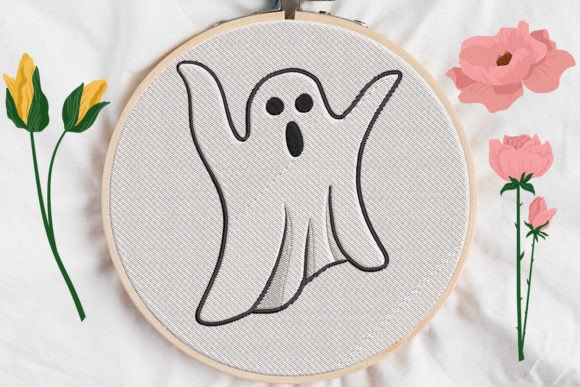
Based on the description, Halloween Ghost promises to capture a spooky and whimsical essence through intricate stitching. This suggests a design that leans into the festive, but the keyword “intricate” hints at a level of detail that can translate into a premium feel. For a small business, this initial impression is crucial. A design that is too cartoonish might undermine professionalism; one that is overly eerie could feel unwelcoming. The potential here is for a playful yet polished asset. It can convey a handmade, authentic personality—a huge advantage for boutique shops, creative studios, or local cafés looking to stand out. The design likely feels decorative, but with careful application, it can become a powerful branding tool.
Real-World Business Applications: Where Halloween Ghost Thrives
Imagine a local bakery preparing for a Halloween pop-up, a pet brand launching festive accessories, or a florist creating seasonal merchandise. Halloween Ghost isn’t just a pattern; it’s a potential brand accent for a limited-time campaign. Here are the most promising applications for your small business merchandise.
Embroidered Patches for Product Identity
An embroidered patch using this design can be a versatile powerhouse. It could serve as a product label on handmade Halloween totes, a sleeve detail on staff uniforms for a seasonal event, or even a standalone merchandise item like a pin. For an Etsy seller or craft business, a well-executed patch adds tangible value and a sense of craft.
Uniform & Apparel Accents for Staff and Customer Engagement
Consider this as a chest logo accent on aprons in a pumpkin-decorated café, or a subtle cap embroidery for a delivery driver during October. On a tote bag, it becomes a memorable mark for customer gifts or event merch. It transforms standard custom apparel into themed, engaging wear that boosts visual consistency across your team and touchpoints.
Branded Product Add-Ons and Packaging
For a boutique or handmade shop, this design could be embroidered onto the corner of a product bag or as a small accent on a tea towel included with purchases. This subtle use elevates the finished product, making it feel special and thoughtfully curated, directly impacting perceived value and customer trust.
Critical Considerations for Commercial Embroidery Success
While the potential is high, successful integration into your small business merch depends on mindful execution. Here are the areas where careful planning is essential.
Scale and Stitch Density on Small Items
The “intricate stitching” mentioned requires scrutiny. Before production, you must test the embroidery file at your intended patch size. A design rich in detail might lose definition when shrunk for a cap front or a small product label. High stitch density on a tiny scale can lead to a stiff, bulky patch that doesn’t conform well to curved surfaces like caps.
Thread Color Contrast and Fabric Backgrounds
Will this ghost figure read clearly on dark uniforms or textured fabric like canvas tote bags? A crucial step is to review thread color contrast. I always advise clients to test a sample in both black and white thread on their actual fabric first. This reveals if the design’s outlines and features hold their form, ensuring brand recognition remains strong.
Durability and Long-Term Presentation
Items like work shirts or aprons that need frequent washing must withstand wear. A design with very fine details or tight spacing might degrade faster. Using the proper stabilizer and hoop size for the fabric is non-negotiable to maintain the design’s integrity over time, protecting your brand’s professional presentation.
Building Brand Identity with a Seasonal Design Asset
Integrating Halloween Ghost into your branding strategy requires a strategic view. It should complement, not clash with, your existing brand identity.
For a business with a rustic or handmade aesthetic, this design can enhance that narrative, making seasonal offerings feel cohesive. For a more modern brand, its application needs to be clean and minimal—perhaps as a single, refined accent. The key is visual consistency. Compare the embroidered output beside your other design assets like logos or typography. Does it feel like part of the same family? Creating a digital printable mockup for client or internal approval before any stitching begins is a best practice that saves resources and aligns expectations.
Ultimately, a well-embroidered Halloween Ghost on your merchandise signals attention to detail. It engages buyers by adding a layer of thoughtful decoration, turning a simple product into a memorable experience. This directly fosters customer engagement and can strengthen the perception of your brand as creative and invested in quality.
Practical Designer Notes for Immediate Action
Before you commit this design to production, follow this short checklist.
- Acquire the digital embroidery file and confirm its commercial licensing terms for business use.
- Test stitch a sample on the actual fabric you plan to use (apron twill, cap mesh, tote bag canvas) to assess texture interaction.
- Check the design’s performance at the smallest size you intend to use, especially for patches.
- Experiment with thread colors against your typical garment backgrounds to ensure contrast.
- Use appropriate stabilizer and confirm the recommended hoop size for a clean, stable stitch.
- Always create a mockup to visualize the final product on the merchandise for approval.
Halloween Ghost has the foundation to be more than just a festive touch. With professional scrutiny and these business-minded applications, it can become a valuable asset in your seasonal branding toolkit, elevating your merchandise and deepening your connection with your community.