Juneteenth 1865 Embroidery for Boutique Apparel
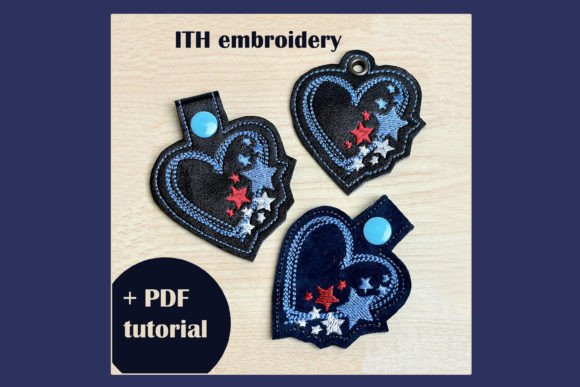
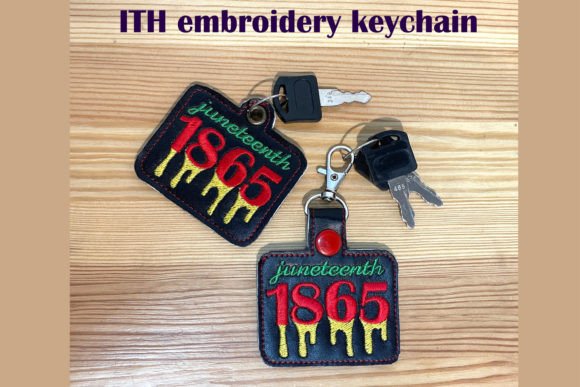
As an embroidery designer planning a seasonal collection, I’m always reviewing new files that could add meaningful depth to my apparel line. When I saw the ITH Juneteenth 1865 Machine Embroidery design on Creative Fabrica, I paused to consider its potential beyond its primary keychain use. This review is from the perspective of integrating this design into boutique sweatshirts, hoodies, and other apparel projects for a small shop.
First Impression: A Bold, Meaningful Statement Design
The visual personality of ITH Juneteenth 1865 Machine Embroidery strikes me as bold and historically resonant. It carries a decorative strength that feels both classic and timely. The detail level, with its clear typography and symbolic elements, suggests a design that translates well into a premium, statement-making piece on garments. It doesn’t lean overly cute or minimalist; instead, it projects a confident, thoughtful mood through stitching, suitable for brands wanting to convey substance.
Apparel Applications: From Sweatshirts to Tote Bags
My immediate thought was how this embroidery file could anchor a small collection. On a neutral sweatshirt—think oatmeal or heather grey—the design would pop with strong contrast, offering a clean, boutique look. For a pastel hoodie, it could provide a grounded, thoughtful accent on the chest. The availability of sizes suitable for 3x3, 4x4, and 5x7 inch hoops opens up placement flexibility.
Consider a dark apparel item like a black denim jacket. With careful thread color choice, this design could become a striking sleeve accent or back design. On oversized garments, the larger hoop sizes would allow for a substantial presentation without losing detail. For t-shirt embroidery, the smaller sizes could work as a left chest design, moving beyond a simple graphic into a more embroidered, textured statement.
Beyond wearables, this machine embroidery design has clear utility for lifestyle products. Embroidered onto a tote bag, it elevates a simple accessory into boutique merchandise. This versatility is key for creative entrepreneurs who want visual consistency across product lines—from cozy seasonal outfits to everyday carry items.
Strengths for Commercial Embroidery Products
For Etsy sellers and small clothing brands, such a design can affect product recognition and buyer trust. A well-executed embroidery with clear, crisp details signals professional presentation. In product photos, printable mockups, and Etsy listings, the textured finish of embroidery adds tangible value compared to printed graphics. It suggests care and craftsmanship, enhancing customer engagement and supporting a handmade product brand identity.
Practical Considerations for Garment Success
While the design is compelling, its application requires an embroidery designer’s careful planning. The step-by-step guidance mentioned in the product details is a useful starting point. However, for apparel, especially commercial embroidery, some areas deserve extra attention.
On stretchy fabric like fleece or ribbed fabric, stitch density and stabilizer choice are paramount. I would always test on scrap fabric first, replicating the garment’s weight and texture. For small chest placement, ensure the chosen hoop size and design scale are legible and balanced. Dark garments demand high contrast thread colors to maintain the design’s impact.
Curved surfaces, like hoodie fronts, require careful hooping to avoid distortion. Tiny lettering within the design must be inspected for clarity on fabric textures; a test run on a similar garment fabric is non-negotiable. Areas that may stretch or wrinkle over time, like sleeve cuffs or bag straps, need robust stabilization to preserve the embroidery’s integrity.
Essential Designer Notes Before Production
- Test, Always Test: Run the embroidery file on a scrap of the actual garment fabric (or a close match) to observe tension, density, and color interaction.
- Stabilizer is Key: For sweatshirt embroidery or hoodie design on knit fabric, choose a stabilizer that manages stretch without adding undue stiffness.
- Contrast Review: Assess your thread color palette against the garment color. On light fabrics, darker threads may be needed; on dark apparel, consider bright or pale threads for the design elements.
- Confirm the Details: The product states it’s presented in two types with sizes for specific hoops. Before production, confirm the exact file formats, machine compatibility, and licensing terms for selling finished apparel directly on the Creative Fabrica product page. Do not proceed without verifying these.
- Compare Placement: Hoop the garment (or a mock-up) in different locations—center chest, left chest, sleeve, back—to find the most visually balanced and commercially appealing option for your custom apparel.
Adding Value to a Brand’s Offering
Integrating a design like ITH Juneteenth 1865 Machine Embroidery into a collection isn’t just about adding a product; it’s about curating a message. For a boutique brand, it can anchor a limited-edition line, attracting customers looking for apparel with narrative depth. The embroidery’s finished look inherently boosts perceived value, allowing for a premium positioning compared to flat prints.
For digital sellers and creative entrepreneurs, this digital embroidery file provides a reproducible, high-quality asset. It supports brand identity through consistent, professional execution across multiple products—sweatshirts, hoodies, jackets, bags—creating a cohesive look for social media graphics and the shop itself.
In my planning for an online shop collection, I see this design as a potential cornerstone for a thoughtful, statement-driven capsule. Its bold mood and scalable sizes make it adaptable, but its success on apparel hinges on the meticulous application of embroidery fundamentals: proper stabilization, thoughtful placement, and thorough testing. When executed with that care, it transforms from a Creative Fabrica embroidery file into a distinctive, value-adding element of boutique apparel.