A Designer's Review: The Valentine Harlequin Cross Stitch PDF
First Impression: Bold, Graphic, and Undeniably Festive
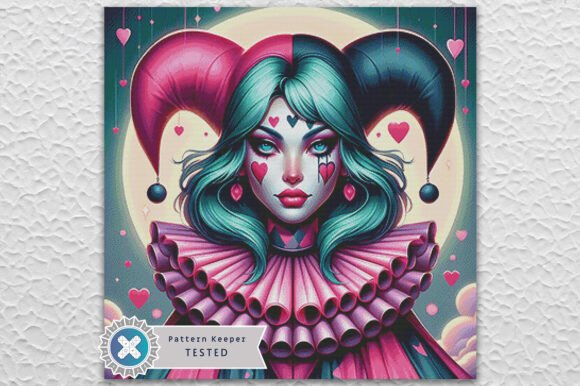
When preparing for a craft fair, the first thing I consider is whether a design can grab attention from across the booth. The Valentine Harlequin Cross Stitch PDF does that instantly. The name itself suggests a playful, patterned, and celebratory mood. Based on the description—a full coverage pattern with 80 DMC colors—this isn't a soft, minimal piece. It's a bold, decorative, and premium graphic statement. The 350x350 stitch size promises complexity and richness, which translates visually into a design that feels modern, festive, and intentionally crafted. For customers browsing a handmade market, this complexity signals value and skill, which is exactly what you want for your craft fair product lineup.
Where This Pattern Shines: Product Application Breakdown
My real-world scenario involves a table loaded with handmade products: tote bags, aprons, tea towels, pillow covers, patches, and small pouches. I evaluate each design based on where it will stand out.
Large-Scale, High-Impact Items
The finished dimensions—approximately 25 inches on 14-count fabric—make this a large focal design. This scale is perfect for items where the embroidery is the hero.
- Tote Bags & Market Bags: A full-coverage harlequin pattern on a tote bag creates a stunning, one-of-a-kind accessory. The graphic nature makes it a year-round statement piece, not just seasonal.
- Pillow Covers: This would be a premium, sellable pillow. The density and color count give it a textured, luxurious look that elevates a simple pillow into a decorative home accent.
- Aprons: A bold panel on a chef's or decorative apron becomes a fantastic kitchen gift. The design's size works well on the apron's body.
Considerations for Smaller or Textured Surfaces
While large items are ideal, applying this to smaller products requires careful thought.
- Tea Towel Embroidery: The full 25-inch width likely exceeds a standard towel. You might need to select a central motif or section, as the full design could overwhelm the fabric texture and intended use.
- Caps & Curved Surfaces: The intricate 80-color detail and large size are challenging for curved cap surfaces. Stitch density and small details may lose clarity.
- Embroidered Patches: Reducing this pattern for a patch would lose its intricate harlequin effect. It's not designed to be a small accent.
- Fabric Pouches & Small Gifts: Similar to towels, the scale is likely too large unless you use a significantly scaled-down section.
Practical Selling & Production Points for Your Business
As an Etsy seller or small shop owner, you need designs that are not only beautiful but practical to produce and sell.
Visual Appeal & Customer Attention
This pattern has high visual appeal. The "harlequin" theme suggests a repeating, geometric pattern that is eye-catching and coherent. In a booth display, a finished tote bag design or pillow will draw customers in. It photographs well for online listings due to its color variety and graphic structure, making your Etsy listings pop. For buyer engagement, it prompts questions about technique and time invested, increasing perceived value.
Production Reality: Is It Repeatable?
Full coverage with 80 colors is an advanced, time-intensive project. For batch production at a fair, this is a consideration.
- Batch Production: Creating multiple identical items will require significant time. This pattern is best suited for limited-run, higher-priced handmade gifts or booth samples that showcase your top-tier skill.
- Stitch Density & Fabric: The dense stitch areas will require a good hoop size, strong stabilizer, and careful attention to fabric texture. On thicker fabrics like bag canvas, ensure your machine can handle the density.
- Thread Contrast & Color Management: With 80 colors, organization is key. Test on scrap fabric to check color contrast and ensure the design's vibrancy translates, especially if using dark fabric as a base.
Crucial Designer Notes Before You Stitch a Single Product
Before committing this digital embroidery file to any product, follow these professional steps to protect your time and brand consistency.
- Create a Real Mockup: Stitch a sample on your intended product fabric (e.g., bag material, pillow linen). This is the only way to truly assess stitch density, puckering, and final appearance.
- Confirm Commercial Licensing: The description states it's a pattern for advanced stitchers. Before selling finished products, verify the license terms included with the Valentine Harlequin Cross Stitch PDF. Ensure it permits commercial embroidery use.
- Compare Fabric Colors: The design's mood depends on color interplay. Test a section on light and dark backgrounds to see which best highlights the 80-color palette.
- Review Spacing & Hoop Size: The finished dimensions are provided. Match your hoop size to these dimensions (like 25 inches) to avoid repositioning and potential distortion.
- Check Details at Scale: If considering a smaller application, stitch a tiny section first. Tiny details and the harlequin pattern may blur or lose their distinctive geometric clarity at reduced sizes.
Final Judgment: A Premium Showpiece for Your Booth
The Valentine Harlequin Cross Stitch PDF is a powerful design asset. It's not a quick, all-purpose accent. It's a showpiece. For your craft fair product table, it will stand out as a premium, skill-intensive item that commands higher prices and attracts customers who appreciate intricate handmade quality. Its best chances to sell are as large, focal-point items: the tote bag displayed prominently, the pillow cover propped on a shelf, or the apron hung as a sample. Use it to elevate your booth's entire display, proving your capability as a designer. Then, complement it with simpler, faster-to-produce items to balance your inventory. With careful production testing, this pattern can become a signature, high-value product for your embroidery business.