A Professional Review of the Toile Pumpkin Cross Stitch Pattern
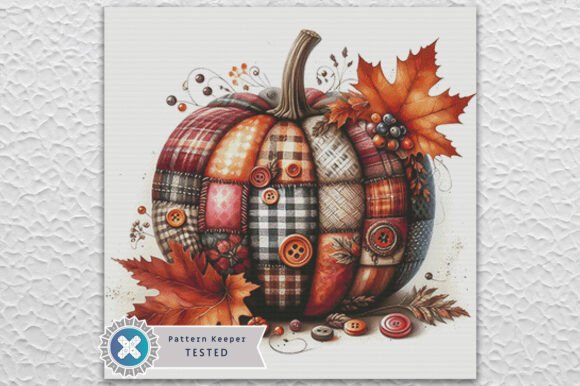
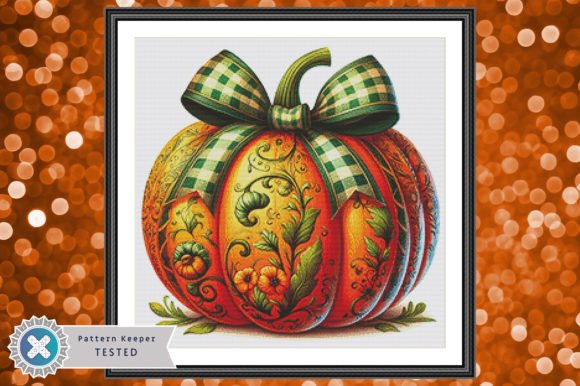
As an embroidery designer preparing for a weekend craft fair, my first task is to evaluate potential designs for my handmade products. The Toile Pumpkin Cross Stitch Pattern PDF immediately stands out. The title suggests a classic, decorative aesthetic. “Toile” implies a traditional, often scenic print style, while “Pumpkin” anchors it in a popular, seasonal motif. This combination feels rustic, elegant, and premium. It’s not overtly festive or cute, but rather a sophisticated farmhouse design that could appeal to a customer looking for timeless, handmade quality rather than a generic holiday item.
Where This Design Shines at the Craft Fair
When I imagine my booth display—filled with embroidered tote bags, aprons, pillow covers, and tea towels—I consider where this pattern would catch a customer’s eye. The Toile Pumpkin Cross Stitch Pattern PDF, being a full-coverage, detailed design, demands a certain canvas. It’s a statement piece. On a simple tote bag or a market bag, this pattern would become the entire focal point, transforming a utilitarian item into a decorative, artful accessory. Similarly, on a pillow cover, it would create a stunning, high-value home decor product. These are items customers notice from a distance because of the intricate, completed artwork.
For smaller products like caps or patches, the size and density become a concern. The expected finished size at 14 count is nearly 18 inches square. That’s large. Attempting to scale this down for a small embroidered patch or to fit on a curved cap surface would likely lose the intricate toile details and make the dense stitch areas a production challenge. This pattern is best suited as a large focal design.
Practical Production for the Small Shop
For an Etsy seller or boutique maker producing items in batches, practicality is key. The description states it uses 70 DMC threads. This is a rich, complex color palette that will result in a beautiful, nuanced finished product. However, for batch production, managing 70 separate thread colors for multiple items requires significant organization. The stitch density is high (250w x 250h stitches), meaning each item will be time-intensive. This inherently increases the product’s value and price point, but it also limits how many units you can realistically produce for a single fair.
Photography for online listings will be crucial. The fine details and color variations need to be captured clearly. A flat lay on a neutral background or a styled shot in a farmhouse setting would highlight its elegance. Creating at least one real mockup is non-negotiable. You must see how the threads interact on the actual fabric texture you plan to use—whether it’s a smooth cotton for a pillow or a heavier canvas for a tote.
Critical Notes on Fabric and Application
Fabric choice is paramount. On textured items like tea towels, the design’s clarity could be slightly softened, which might actually enhance the handmade, soft look. On dark fabric, you must carefully check the provided thread palette for sufficient contrast; some toile scenes can lose impact on dark backgrounds. The pattern is designed for 14 or 16 count fabric, resulting in a sizable piece. Ensure your hoop size can accommodate the entire design area during stitching.
For any machine embroidery adaptation—if you’re considering using this as a digital embroidery file for commercial embroidery products—the stitch density and tiny details would require a high-quality machine, appropriate stabilizer, and likely a test on scrap fabric to ensure no puckering or thread breaks. The description specifies it’s a cross stitch pattern, so direct machine use would require conversion and careful commercial licensing checks.
Driving Customer Engagement and Sales
At the fair, this design sells a story. It’s not just a pumpkin; it’s a toile scene. This narrative can be leveraged in your display. Pair a finished tote bag design with other rustic home goods. Use the pillow cover as a centerpiece on a small display sofa or chair. The design’s visual appeal is its sophistication. It attracts customers who appreciate craftsmanship and are willing to invest in a premium handmade product. It elevates your entire booth display strength, signaling that your brand offers high-quality, thoughtful artwork.
For giftable handmade items, a finished cross-stitch piece from this pattern, framed or made into a pillow, becomes a high-end gift. The time invested is evident, which supports a higher price. Its seasonal tie (pumpkin) makes it relevant for autumn fairs without being a fleeting Halloween item, broadening its selling window.
Final Designer Advice Before Production
My final review always includes a hands-on checklist. For the Toile Pumpkin Cross Stitch Pattern PDF, I would strongly advise:
- Test the design on a scrap of your intended fair product fabric (e.g., bag canvas, pillow linen) to check thread contrast and stitch appearance.
- Review the pattern’s spacing and confirm your hoop size can manage the full 250x250 area comfortably.
- Inspect the stitch density in the pattern PDF; full coverage on large fabric can be heavy—ensure your fabric and stabilizer can support it.
- Create that one real, physical mockup. It’s your best sales tool and production guide.
- Compare how the design looks on different fabric colors—cream, white, oat—to decide your product line.
- Most importantly, confirm the commercial licensing terms of the pattern before selling any finished products at your craft fair booth or Etsy shop.
The Toile Pumpkin Cross Stitch Pattern PDF is a robust, beautiful design for the experienced stitcher aiming to create standout fair products. It demands commitment in production but rewards with a distinctive, elegant final product that can define your booth’s quality and attract the right customer. Focus on large-scale applications where its artistry can be fully appreciated, and let that handmade quality speak for itself.