A Professional's Take on the Christmas Snowman Cross Stitch Pattern
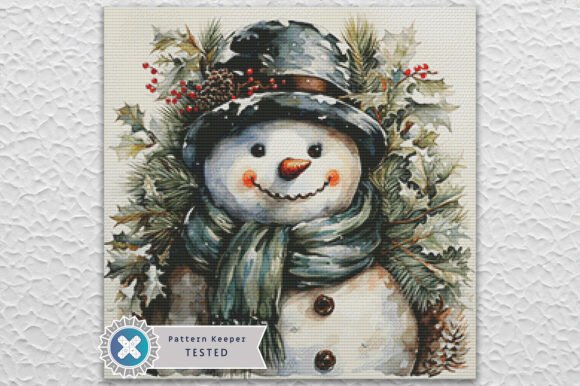
When you're building a portfolio of designs for your craft business or selecting patterns for a season of handmade gifts, the first impression is everything. This Christmas Snowman Cross Stitch Pattern delivers a specific kind of charm. At 250 stitches wide and tall, it's a substantial full-coverage piece, promising a detailed, classic snowman scene. The mood it creates is traditional and cozy, leaning into a nostalgic holiday aesthetic rather than a modern, minimalist one. The layout, given its size, suggests a central focal figure with ample background detail—perfect for a standalone decorative piece.
Where This Design Finds Its Natural Home
As a designer reviewing this for real project use, I immediately picture it on items where its detailed, 100-color palette can shine and where its finished size—roughly 18 inches on 14-count fabric—makes sense. Think of a statement pillow cover for a holiday living room, a framed piece for nursery or boutique wall decor, or the central panel on a high-quality kitchen towel set for a gourmet gift. For apparel, a large tote bag or the back of a heavyweight sweatshirt could accommodate this scale beautifully, creating a premium, handcrafted feel. It naturally belongs to projects where the stitching itself is the primary artwork.
The Real-Life Scenario: A Boutique Holiday Pillow
Let's walk through a practical application. Imagine you're preparing a limited-run holiday pillow for your small shop. You want something that feels luxurious and detailed, justifying a higher price point. This snowman pattern, with its advanced stitch count, fits that bill. The full coverage means the final product will have a rich, painterly texture. A customer’s reaction would likely be one of admiration for the craftsmanship, seeing it as a heirloom-quality seasonal decor item rather than a simple accent. It’s a design that elevates the product value through sheer effort and visual completeness.
Performance Across Different Embroidery Projects
For custom apparel like t-shirts or lighter baby clothes, this design requires careful consideration. Its density and large finished dimensions might overwhelm a thin fabric or a small garment area, potentially affecting drape and comfort. On a sturdy, woven tote bag or a quilted pillow cover, however, it would perform excellently, with the fabric providing a stable canvas for all those stitches.
As an embroidered patch idea, it's ambitious but possible if scaled down digitally, though the intricate details might become less distinct. For commercial embroidery projects or digital product sellers offering finished item mockups, this pattern provides a strong, recognizable holiday asset. Its traditional theme has broad appeal, aiding in customer trust and giftability—people know and love a classic snowman.
Where to Exercise Caution
There are situations where I'd advise proceeding with extra caution. Stretchy fabrics like on some caps or fitted sweatshirts could distort such a large, dense area of stitching. Dark fabric backgrounds would require a thorough review of the included DMC color list to ensure contrast and visibility; some shades might get lost. Products needing frequent washing, like everyday aprons or tea towels, would need robust stabilizer techniques and post-stitch sealing to protect the extensive work.
The curved surface of a cap or the detailed corners of a small hoop project are not this design’s best fits. It’s meant for a broad, flat area where its full-coverage intent can be realized without compromise. Layered garments with seams or textured fabrics might interrupt the smooth visual flow the pattern seems designed for.
Impact on Your Business and Craft
Using a pattern of this complexity affects more than just the stitching time. It impacts your brand consistency. If your shop specializes in detailed, advanced cross stitch pieces, this aligns perfectly, reinforcing a professional, skilled maker image. For an Etsy seller, it creates a handmade presentation that stands out in search results, potentially boosting buyer engagement through its evident depth.
However, it also demands a significant investment of time and materials. This must be factored into your pricing and project planning. The finished product's visual appeal is high, but stitching clarity depends entirely on your execution—following the color chart meticulously will be key to avoiding a muddy final look.
Practical Designer Notes Before You Begin
Before committing this to a client project or a batch of shop merchandise, do the groundwork. Always test a representative section on your intended scrap fabric first. Check the thread color contrast against your actual fabric, not just a digital preview. Review the stitch density in your chosen count; on 16-count fabric, the finished size shrinks to about 15.7 inches, which alters the detail perception.
Confirm your hoop or frame can accommodate the working area comfortably. Inspect the pattern for any small details or tiny lettering that might require special attention. Crucially, test the design concept in simple black and white mockups to assess its basic form and balance. Compare how it might look on both light and dark background mockups if you offer both options.
Use a proper stabilizer suited to your fabric. Finally, and this is vital for craft businesses and digital product sellers: confirm the licensing terms of this graphics product before selling finished items or derivative digital products. The product description states it’s a cross stitch pattern, but the rights for commercial use of the finished physical item or its digital representation need to be clear.
The pattern is categorized as a graphics product, so ensure you understand its intended use. If specific file formats or machine compatibility details aren’t provided in the description, you must seek that information. This step protects your business and respects the designer’s work.
A Pattern for Making, Not Just Stitching
In essence, the Christmas Snowman Cross Stitch Pattern is a commitment to a certain kind of project. It’s not a quick applique or a simple satin stitch accent. It’s a canvas-filling artwork. It asks for your skill as an advanced stitcher and your judgment as a designer or entrepreneur about where it will truly resonate. When placed correctly—on the right product, for the right audience—it becomes more than a pattern; it becomes a showcase of handmade excellence and a holiday piece with lasting charm.