Moroccan Geometric Embroidery Delight 4: A Designer's Review
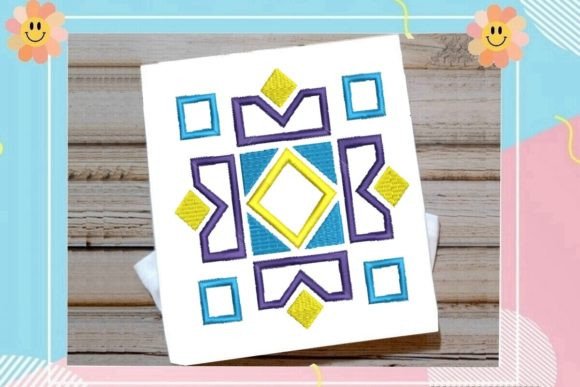
Let's talk about this design not as a file listing, but as a potential asset for your actual work. From the moment I opened Moroccan Geometric Embroidery Delight 4, my immediate impression wasn't just of a pattern; it was of a mood. This design carries a quiet, sophisticated confidence. Inspired by Zellige tilework, its interlocking geometric shapes create a sense of ordered harmony that feels both timeless and modern. The layout is balanced and self-contained, making it a wonderfully versatile motif. It doesn't scream for attention; instead, it offers a refined visual personality that elevates whatever it adorns.
Where This Design Finds Its Natural Home
I immediately pictured it on a high-quality linen tote bag for a boutique client. The geometric precision would translate beautifully into crisp satin and fill stitches, giving the bag an artisanal, high-end feel that customers associate with value. This is exactly the kind of machine embroidery design that bridges personal projects and craft business items seamlessly. Beyond totes, it's a natural fit for pillow covers, tea towels, and apron pockets—items where a clean, decorative accent enhances function. For a small shop selling custom apparel, this file could become a signature element on the breast of a simple sweatshirt, transforming it into a unique small shop product.
Its elegance also makes it a prime candidate for personalized gifts. Imagine it embroidered on a blanket or a piece of nursery decor: it brings a cultured, calming aesthetic without being overly thematic. For Etsy sellers and creative entrepreneurs, this design is a solid foundation for a whole line. You could use it to create cohesive branding across different products, from embroidered patches to holiday embroidery gifts like decorative table runners.
The Practical Stitching Considerations
In real-life embroidery situations, the success of a geometric pattern like this hinges on clarity. The shapes here are well-defined, which should lead to excellent stitching clarity on stable fabrics like cotton twill, canvas, or denim. This means your finished product will look professional, boosting customer trust in your handmade presentation. However, the true test is application.
I would advise caution on a few fronts. First, small hoop sizes. While the design isn't overly sprawling, you need to ensure your chosen hoop can accommodate it without cramping the details, especially in the corners. Second, textured or stretchy fabrics like some knit sweatshirts could distort those perfect lines if not stabilized correctly. Third, dark fabric backgrounds require thoughtful thread color selection to maintain the design's visual impact. A monochrome version on dark fabric could lose its definition if the contrast isn't strong.
Products needing frequent washing, like kitchen towels or baby clothes, demand extra attention to stitch density and stabilizer choice to ensure longevity. And for curved surfaces like caps, the design's central symmetry would need to be positioned carefully to look balanced from the wearer's perspective.
A Real-Life Scenario: Crafting a Boutique Tote
Picture this: you're preparing a custom embroidered tote for a local gift shop. You choose a natural canvas fabric. After testing Moroccan Geometric Embroidery Delight 4 on a scrap first (a non-negotiable step), you select a palette of deep blue and cream threads. The stitch-out reveals crisp, filled geometric segments. The design isn't overly dense, so the tote remains pliable. The final product feels like a thoughtful, well-made object—not just a bag with a decoration. This is where the design's value shines: it enhances the product's perceived quality and giftability.
Designer Notes for a Successful Project
My practical advice before you run this file is straightforward. Always test on your actual project fabric, or a close match, to review stitch density and inspect small details. Check thread color contrast not just on screen, but in physical swatches. It’s wise to test the design in black and white mockups for your Etsy listings or printable mockups to see how it reads without color. Compare how it might look on both light and dark backgrounds to plan your product range.
Use the proper stabilizer for your fabric weight and type—this is critical for geometric precision. Crucially, since this is listed as a Freebies item in the Embroidery category, you must confirm the licensing terms before using it for commercial projects or selling finished items. The product description doesn’t specify license details, so that is an essential check for any digital embroidery file you intend to use in your business.
This design has the potential to positively affect buyer engagement. Its aesthetic is recognizably artistic without being niche, making it approachable yet special. For an apparel decorator or digital product seller offering it as part of a collection, it adds a layer of sophistication to your brand consistency.
Final Thoughts on Visual Appeal and Application
Moroccan Geometric Embroidery Delight 4 is a design that works because of its quiet strength. It doesn't rely on trendy flourishes; it relies on good composition. For makers and entrepreneurs, this translates into a reliable design asset. It can adapt to be a bold focal point on a pillow or a subtle accent on a cap. Its success in your project will depend on your mindful application of the basics: good materials, proper technique, and clear licensing. When executed well, it results in an embroidered project that feels intentionally crafted, which is ultimately what builds a loyal customer base for any creative entrepreneur. Approach it with a designer's eye for context and a crafter's respect for process, and it will likely become a favorite in your toolkit.