A Designer's Review of the Hibiscus Butterfly Cross Stitch Pattern
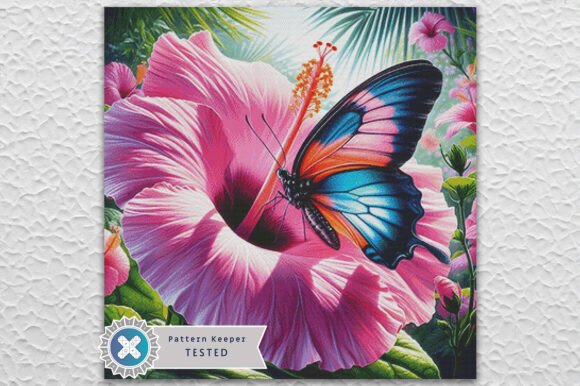
As an embroidery designer preparing for a new collection in my gift shop, my first task is always to test potential patterns. I treat each design as if a customer has already ordered it, imagining it stitched on a baby blanket, a wedding keepsake pillow, or a personalized kitchen towel. The Hibiscus Butterfly Cross Stitch Pattern immediately caught my eye. Here’s my practical, hands-on review from the perspective of someone who turns digital files into cherished handmade products.
First Impressions: Charm, Detail, and Emotional Pull
Opening the file, the mood is instantly romantic and elegant, with a touch of sweet playfulness. The combination of hibiscus flowers and butterflies creates a narrative—growth, transformation, and natural beauty. For a personalized gift shop, this emotional layer is crucial. A customer looking for a baby embroidery piece for a nursery sees the butterfly’s delicacy; someone commissioning a wedding gift connects with the flower’s bloom. The full coverage and 109 DMC colors promise a stunning depth of detail that feels both handmade and sophisticated. This isn’t a quick, simple graphic; it’s a commitment to quality that advanced stitchers and discerning buyers will appreciate.
Practical Applications for Your Craft Business
This pattern is a versatile engine for numerous products. Its sizable finished dimensions (about 25 inches on 14-count fabric) make it a centerpiece. For baby embroidery, imagine it on a blanket’s corner or a nursery wall hanging. As a wedding gift, it could be framed or stitched directly onto a pillow cover for a timeless keepsake.
- Home Decor & Keepsakes: Pillow covers, framed art for a family room, or a decorative table runner.
- Personalized Textiles: The center motif on a kitchen towel (carefully planned), an apron pocket, or a custom tote bag for a special occasion.
- Craft Fair & Etsy Products: Finished, framed pieces or kits with the pattern included attract customers who value intricate, handmade art. For Etsy sellers and small shop products, this design elevates your listing photography.
The key is to use the design as a custom embroidery focal point. A gift shop owner can offer it as an option for personalized gift orders, allowing customers to choose the fabric and final product format.
Where to Exercise Caution: Fabric and Execution
While beautiful, a design of this complexity requires thoughtful application. Always test on scrap fabric first. Here are specific considerations:
- Delicate Details: The fine butterfly wings and floral veins demand a stable, smooth fabric. Avoid heavily textured fabrics or thick towels where definition might be lost.
- Stitch Density & Fabric Type: Full coverage on stretchy baby clothes or curved surfaces like hats can be problematic. Use proper stabilizer and confirm the fabric can handle the stitch density without puckering.
- Color Contrast: On dark fabric, the vibrancy of the 109 thread colors might be diminished. I recommend comparing light and dark fabric mockups digitally before committing. Check the small details after stitching a sample section.
- Product Durability: For items needing frequent washing, like towels or aprons, ensure the stitching is secure and the fabric backing is robust.
The pattern’s scale also requires confirming your hoop size capability for machine embroidery or your framing approach for cross stitch. Don't assume; measure from the provided finished dimensions.
The Giftability Factor: Building Customer Trust
From a retail perspective, this pattern significantly boosts perceived value. A finished product showcasing this level of detail communicates handmade quality and care. It builds customer trust because the result is visibly intricate and time-intensive.
The emotional connection is strong. A customer purchasing a wedding gift or a baby embroidery item wants symbolism and beauty. This design provides that story. For product photography, the rich colors and details create engaging, close-up shots that drive buyer engagement in online shops like Etsy.
It transforms a simple pillow or blanket into a family keepsake. That’s the core of a successful personalized gift business.
Essential Notes Before You Stitch and Sell
Before running this machine embroidery design or starting a cross stitch project for commercial sale, a few practical steps are non-negotiable.
- Verify All Specifications: The product details give core dimensions and stitch counts. Double-check the exact finished size for your chosen fabric count (e.g., 16 count yields approx. 21.9 inches). Ensure your equipment or hand-stitching plan can accommodate it.
- Thread Color Contrast Check: With 109 colors, preview a key section to ensure subtle shades differentiate well on your actual fabric.
- Licensing for Commercial Use: Crucially, confirm commercial licensing before selling any finished products. This digital embroidery file or cross stitch pattern is a graphic for personal or commercial use only if the license permits. As a small business owner, this is your responsibility.
- Create a Printable Mockup: For custom order previews, show customers a digital mockup of the design on their chosen product (a towel, bag, etc.). This prevents mismatch expectations.
A Pattern for the Passionate Maker and Discerning Buyer
The Hibiscus Butterfly Cross Stitch Pattern is not for every project. It’s for the advanced stitcher, the gift shop owner investing in high-value items, and the customer seeking a meaningful, permanent heirloom. Its application in baby product creation, wedding gift design, and premium home decor is clear. By testing it thoroughly, using proper materials, and respecting its detailed nature, you can create personalized gifts that stand out in a crowded market and truly touch the heart. That, after all, is the goal of every handmade seller.